
The automotive sector is undergoing significant technological changes as electric mobility develops. Advances in battery engineering, power electronics, and charging infrastructure have expanded the range of available electric vehicle models. At the same time, consumers and businesses continue to evaluate practical questions involving cost, driving range, charging convenience, and economic news long-term reliability. The future of electric mobility depends on technological progress as well as economic latest news (visit the up coming article) and infrastructure conditions.
How Electric Vehicles Work
Modern battery electric cars convert electrical energy into mechanical movement through electric motors. The main components generally include a high-voltage battery, an electric motor, power electronics, and a charging system. Electric motors can deliver substantial torque across a broad operating range, which contributes to responsive acceleration. Thermal management systems help maintain suitable operating temperatures for important components. However, energy consumption varies with driving conditions, vehicle design, temperature, and other factors.
Why Battery Innovation Matters for Electric Cars
Improvements in battery design continue to shape the development of electric transportation. Most modern battery electric vehicles use lithium-ion batteries, although cell chemistry and construction differ between manufacturers and models. Common approaches include different lithium-ion formulations designed around cost, durability, and energy density. Each technology involves trade-offs involving weight, price, performance, and operating characteristics. Battery capacity affects potential driving range, but efficiency is equally important. Research into alternative chemistries and solid-state battery designs may support future improvements, although commercial adoption depends on manufacturing feasibility and proven performance.
Charging Infrastructure and Everyday Convenience
Convenient charging is essential for the practical use of electric vehicles.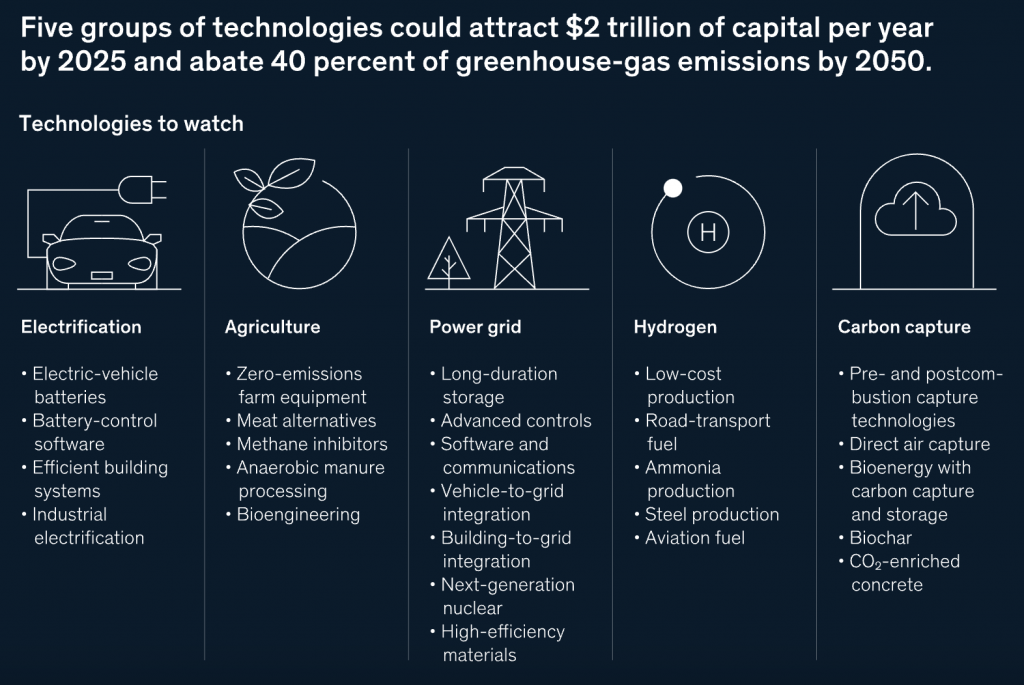 Charging generally takes place through home equipment, workplace facilities, or public charging stations. Charging speed depends on several factors, including the charger's output, the vehicle's charging capabilities, battery temperature, and state of charge. Drivers without dedicated parking may depend more heavily on public infrastructure. Expanding charging networks requires investment in equipment, maintenance, payment systems, and electrical grid capacity.
The Real Cost of Owning an Electric Vehicle
The financial value of an electric vehicle depends on more than its purchase price. Important considerations include battery warranty coverage, annual mileage, and local energy tariffs. Electric vehicles generally have fewer traditional drivetrain components requiring routine service, such as engine oil and conventional exhaust systems. However, they still require maintenance involving tires, brakes, suspension, cooling systems, and other components. Insurance rates and depreciation may significantly affect overall ownership costs. A realistic comparison should reflect local prices, driving habits, and the expected period of ownership.
Electric Vehicles and Environmental Impact
The environmental implications of electric mobility require a life-cycle perspective. Battery electric vehicles produce no tailpipe exhaust emissions during driving. However, electricity generation, raw material extraction, manufacturing, and vehicle disposal or recycling can create environmental impacts. The overall emissions benefit depends partly on the electricity generation mix. Studies commonly find that battery electric vehicles can produce lower life-cycle greenhouse gas emissions than comparable combustion-engine vehicles, although the size of the advantage varies. Improving electricity generation, battery manufacturing, and recycling processes can further influence environmental outcomes.
Battery Recycling and Raw Material Supply
Battery manufacturing depends on complex international supply chains. Depending on battery chemistry, production may involve resources obtained through mining, refining, and industrial manufacturing. Supply chains can be affected by market concentration, environmental concerns, geopolitical developments, and processing capacity. Recycling can help recover valuable materials from used batteries. Effective recycling systems also require collection infrastructure, safe handling procedures, and economically viable processing technologies.
Software and Smart Technology in Electric Cars
Software has become a major component of contemporary automotive development. Vehicle software can coordinate thermal control, driver information, and energy consumption. Some manufacturers support software updates that can improve features or address technical issues without requiring a conventional workshop visit. Digital features should be evaluated for usefulness, security, and long-term manufacturer support. Advanced driver assistance systems may provide additional convenience, but their capabilities and limitations must be clearly understood by drivers.
Electric Vehicles in Cities and Commercial Transport
The development of electric transportation extends beyond privately owned cars. Electric buses, delivery vans, and selected commercial fleets may offer operational advantages where routes and charging schedules are predictable. Fleet operators typically consider payload capacity, route characteristics, and charging infrastructure. Commercial electrification requires careful planning around vehicle duty cycles. Successful implementation depends on operational requirements, available infrastructure, and realistic financial analysis.
Barriers to Wider Electric Vehicle Adoption
Despite technological progress, electric vehicles face several practical challenges. Important issues include purchase affordability, charging availability, and battery performance in extreme temperatures. Cold weather can reduce available driving range because of battery characteristics and increased energy demand for heating. High temperatures may also influence battery management and energy consumption. Manufacturers continue to develop systems intended to improve efficiency under different conditions. Market growth will also depend on economic conditions, public policy, and the availability of suitable models.
The Next Stage of Electric Vehicle Development
Automotive electrification is likely to remain an important area of industrial development. Potential developments include more efficient batteries, improved charging systems, and lighter vehicle structures. However, the pace of adoption will vary across markets and transportation categories. News129.online explores developments in automotive technology, business, healthcare, and innovation, bringing together topics that influence modern industries. Following technological developments can provide useful context for future transportation decisions. The long-term direction of the industry will depend on practical solutions that meet the needs of drivers, businesses, and communities.